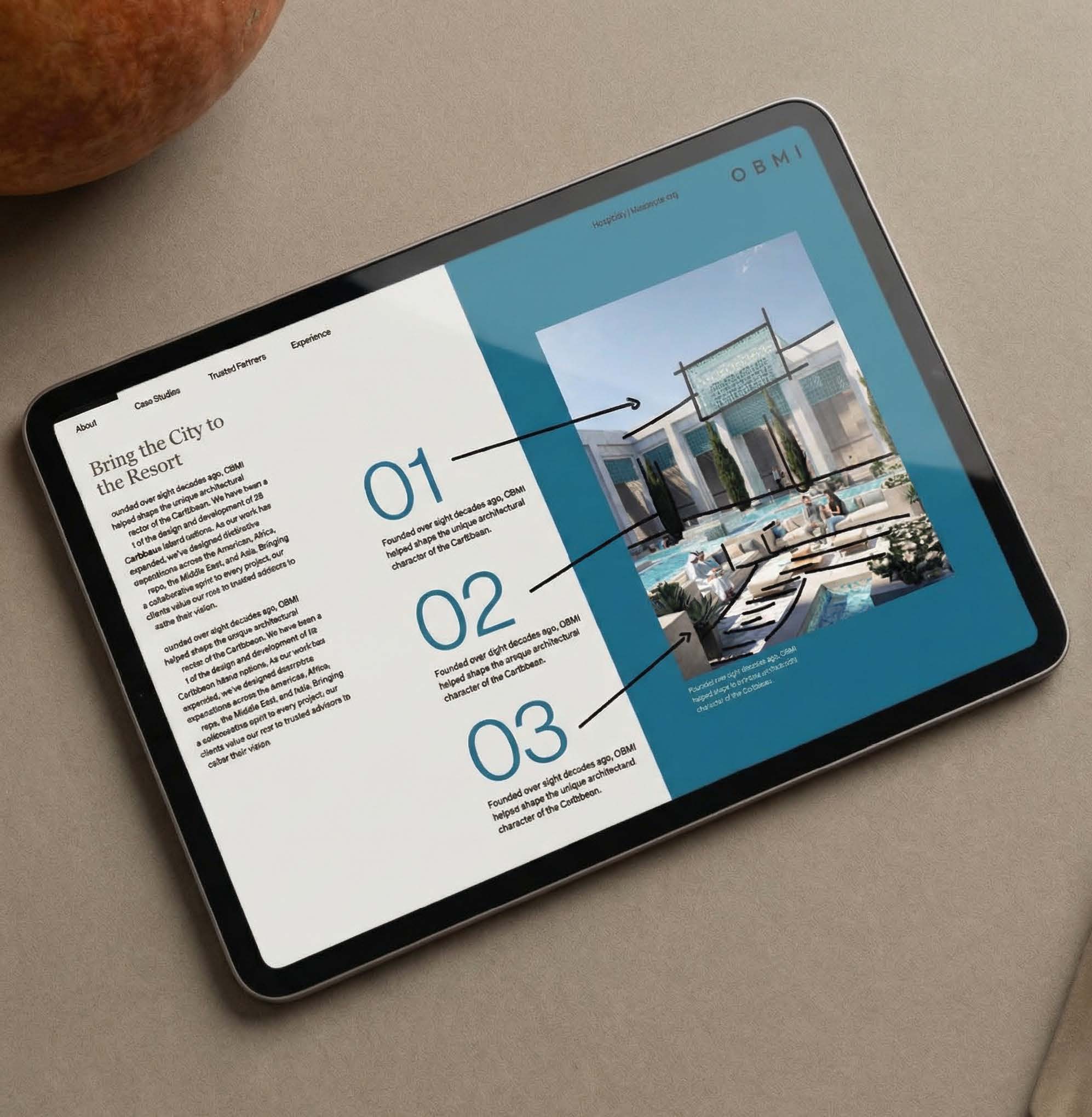

A firm that built its reputation on storytelling. That had never told its own.
Five years before this engagement, OBMI went through a rebrand. It worked. It brought a 90-year-old firm into the modern era. But brands don't stay current on their own. The work kept growing. The firm kept winning. And the brand stayed exactly where it was — maintained, not evolved.
The communication had become transactional. Presentations existed because they had to. Posts went out on schedule. OBMI's entire value proposition is envisioning and storytelling — the first discipline listed on every piece of communication they produce. And yet the brand itself wasn't doing any of it. None of it was telling a story. None of it was moving anywhere.
A firm that built its reputation on storytelling. That had never told its own.
Five years before this engagement, OBMI went through a rebrand. It worked. It brought a 90-year-old firm into the modern era. But brands don't stay current on their own. The work kept growing. The firm kept winning. And the brand stayed exactly where it was — maintained, not evolved.
The communication had become transactional. Presentations existed because they had to. Posts went out on schedule. OBMI's entire value proposition is envisioning and storytelling — the first discipline listed on every piece of communication they produce. And yet the brand itself wasn't doing any of it. None of it was telling a story. None of it was moving anywhere.
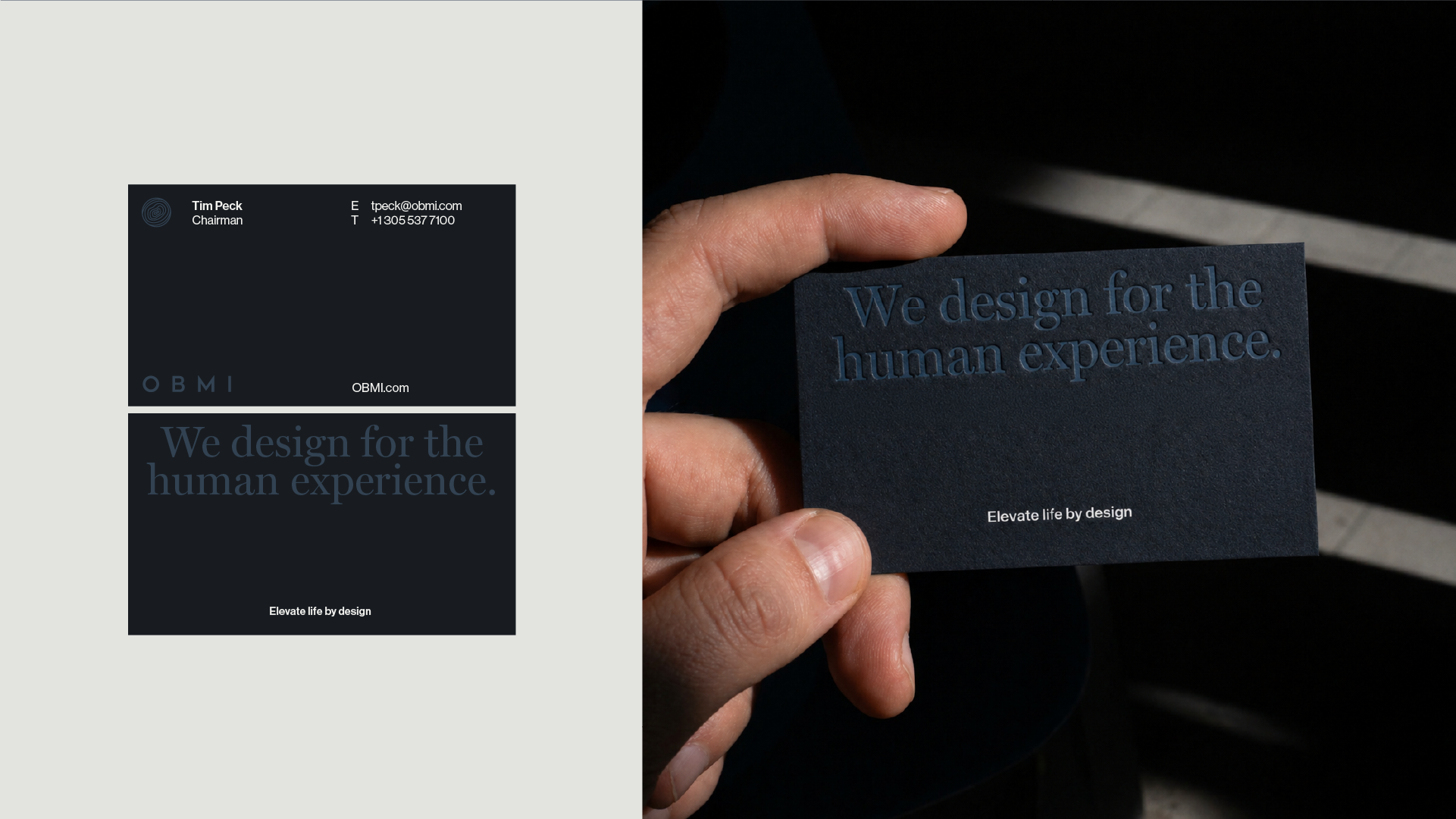
The first job was finding what was still true — and what needed to move. The legacy colors stayed. The mark stayed. The typographic system was refined, not replaced. What changed was everything around it — the language, the hierarchy, the way the firm introduces itself, the way it presents its work, the way it shows up consistently across every surface.
The first job was finding what was still true — and what needed to move. The legacy colors stayed. The mark stayed. The typographic system was refined, not replaced. What changed was everything around it — the language, the hierarchy, the way the firm introduces itself, the way it presents its work, the way it shows up consistently across every surface.
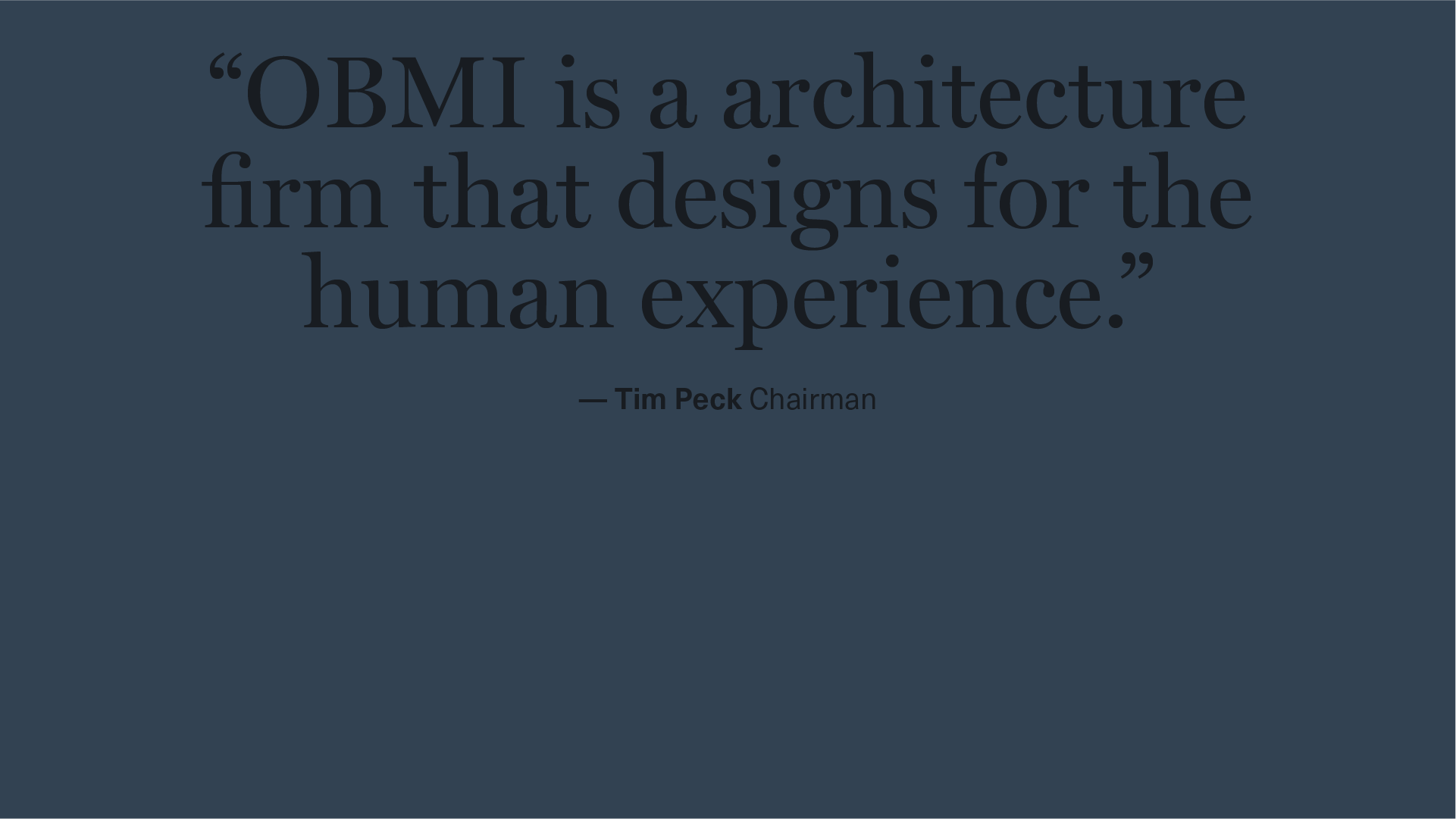
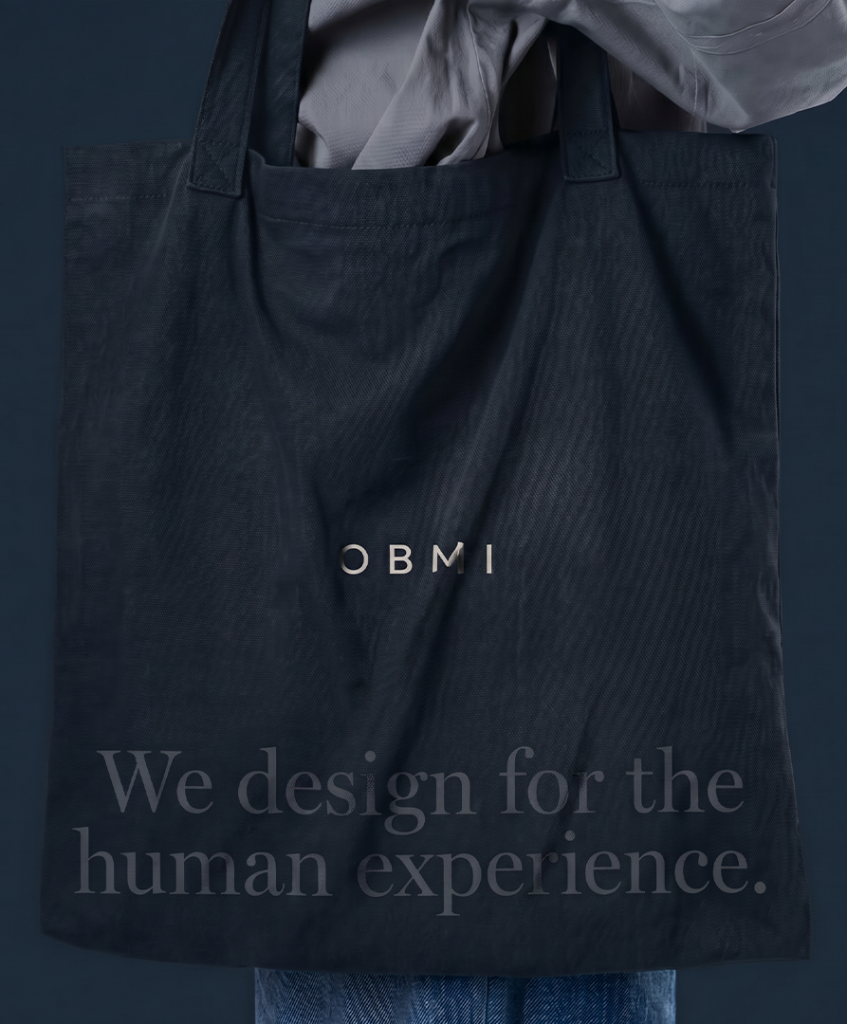
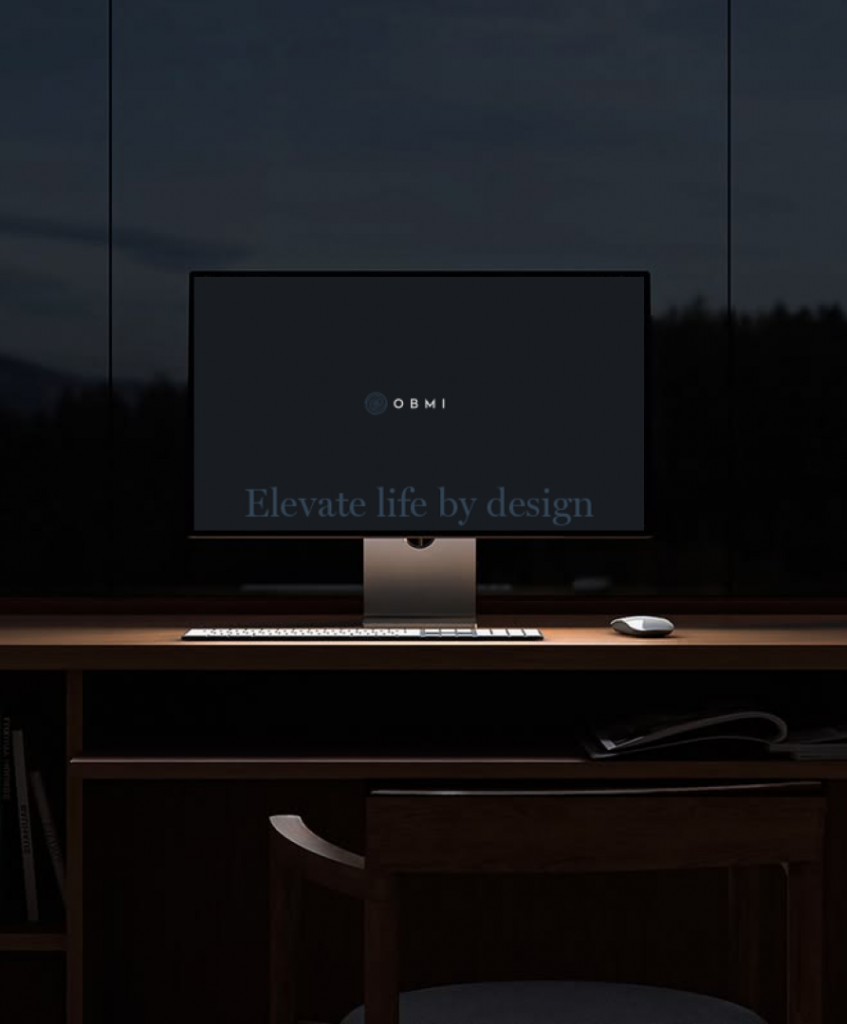
A system built to work at every scale and every distance.
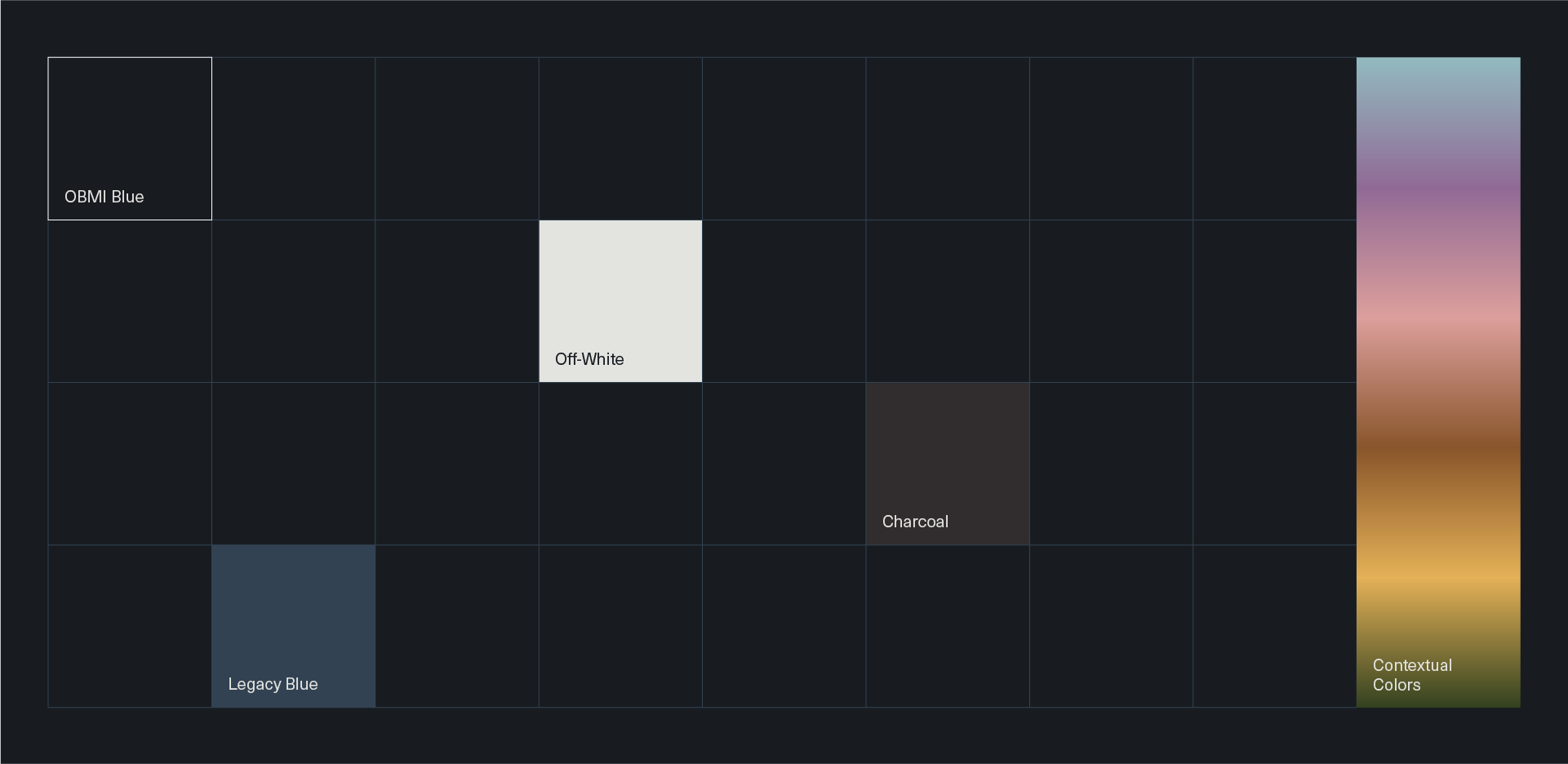
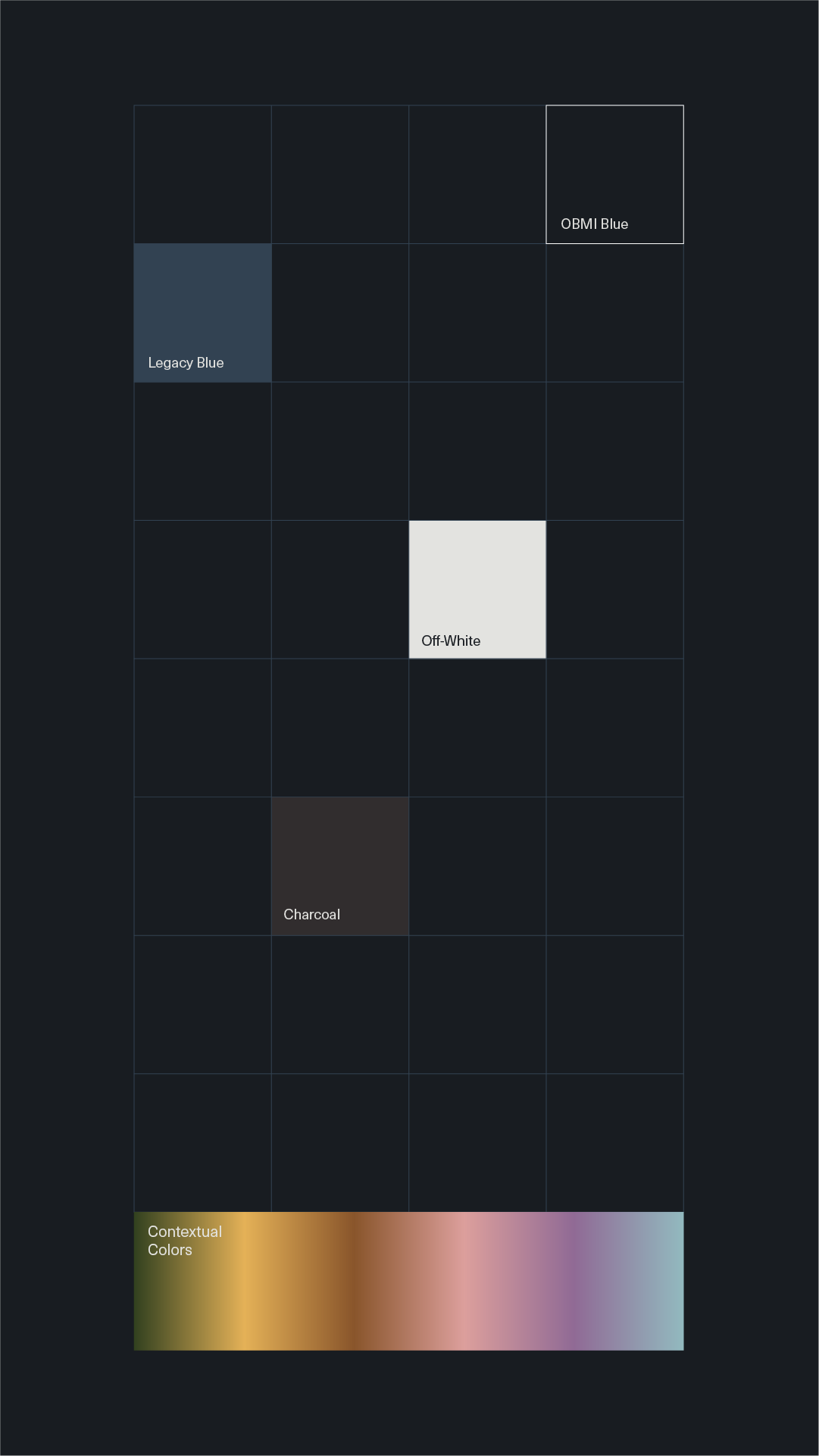
Miller Display paired with Neue Haas Grotesk. Legacy blue retained for the authority it had earned over 90 years. O-White and Charcoal introduced to give the system room to breathe. The identity was never broken — it just needed direction. This gave it one.
A system built to work at every scale and every distance.
Miller Display paired with Neue Haas Grotesk. Legacy blue retained for the authority it had earned over 90 years. O-White and Charcoal introduced to give the system room to breathe. The identity was never broken — it just needed direction. This gave it one.
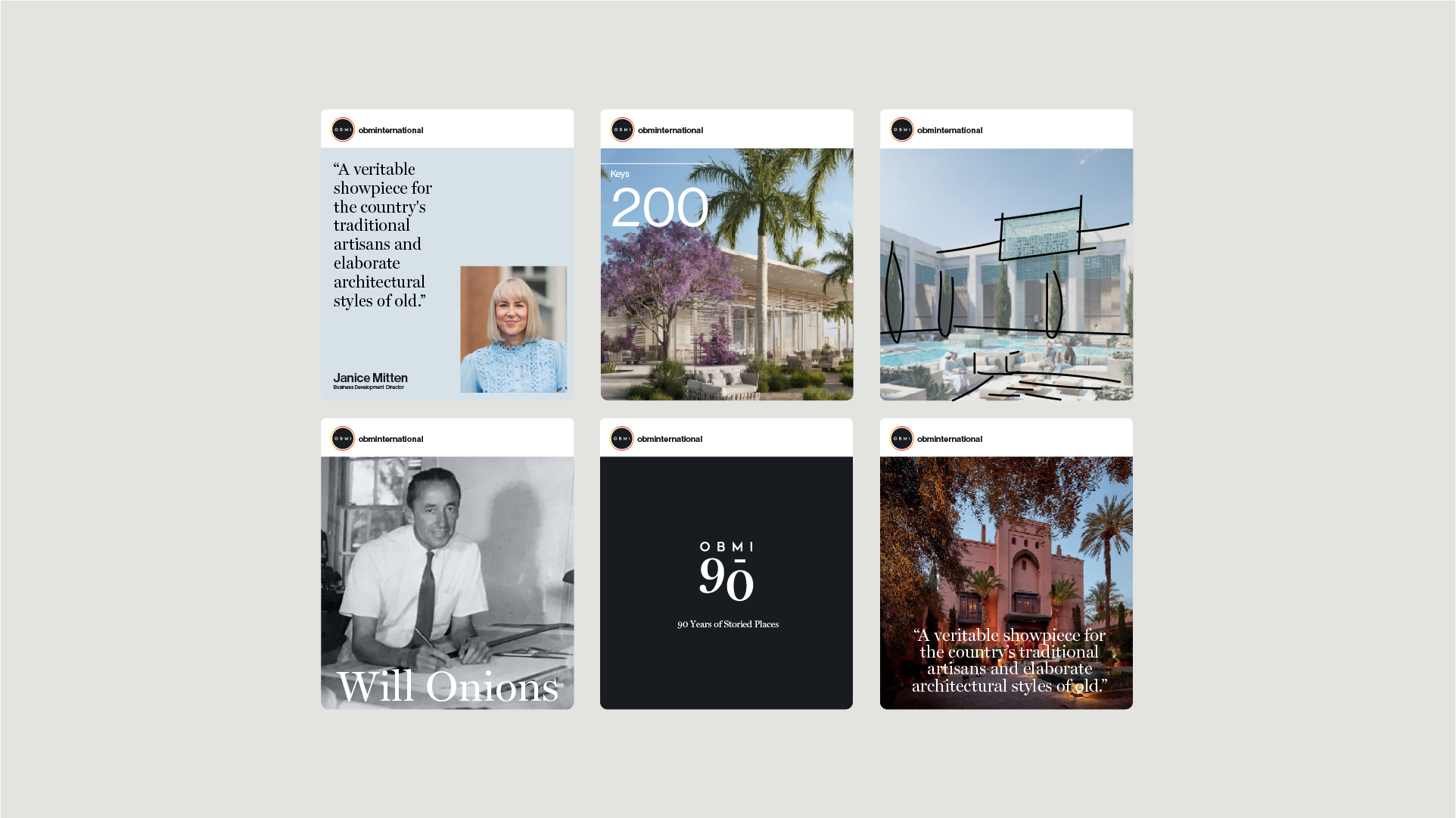
Built to tell a story.
The previous system communicated because it had to. Posts went out. Decks got sent. Lookbooks were produced. The refresh replaced obligation with intent. Every touchpoint was rebuilt with a specific job — to advance the story of what OBMI is, what it believes, and why it’s the only firm that can do what it does.
Built to tell a story.
The previous system communicated because it had to. Posts went out. Decks got sent. Lookbooks were produced. The refresh replaced obligation with intent. Every touchpoint was rebuilt with a specific job — to advance the story of what OBMI is, what it believes, and why it’s the only firm that can do what it does.
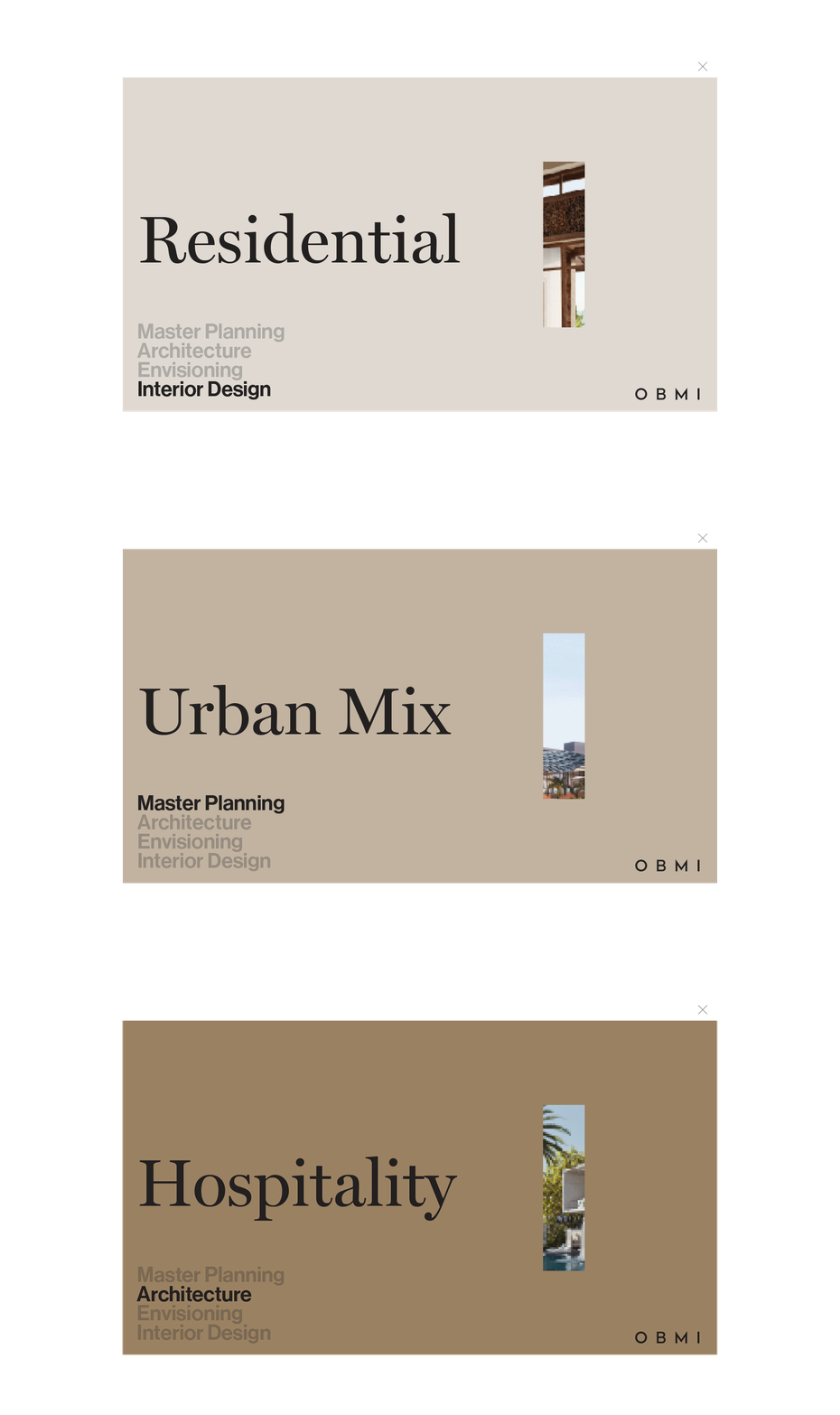
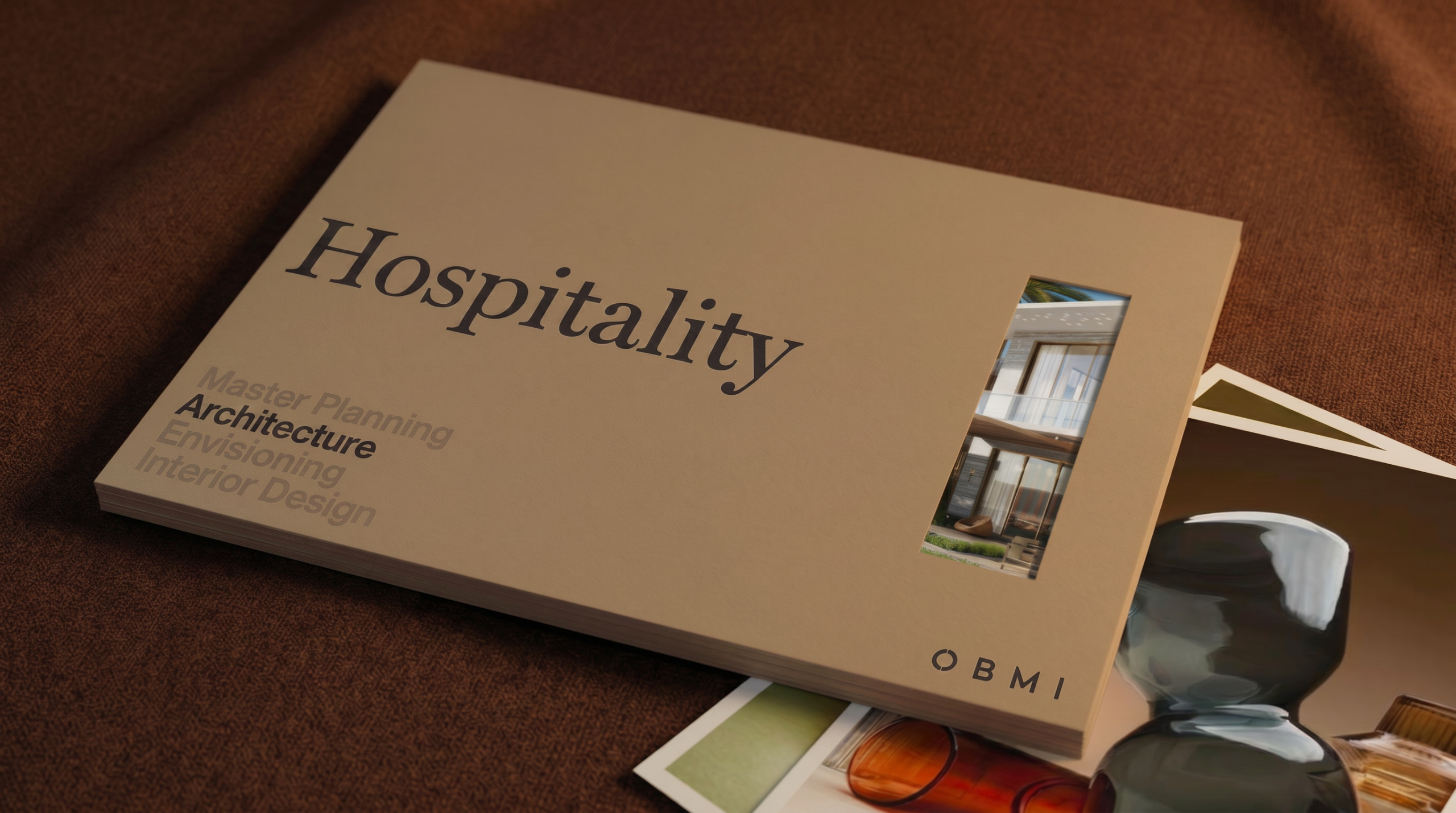
One lookbook per discipline.
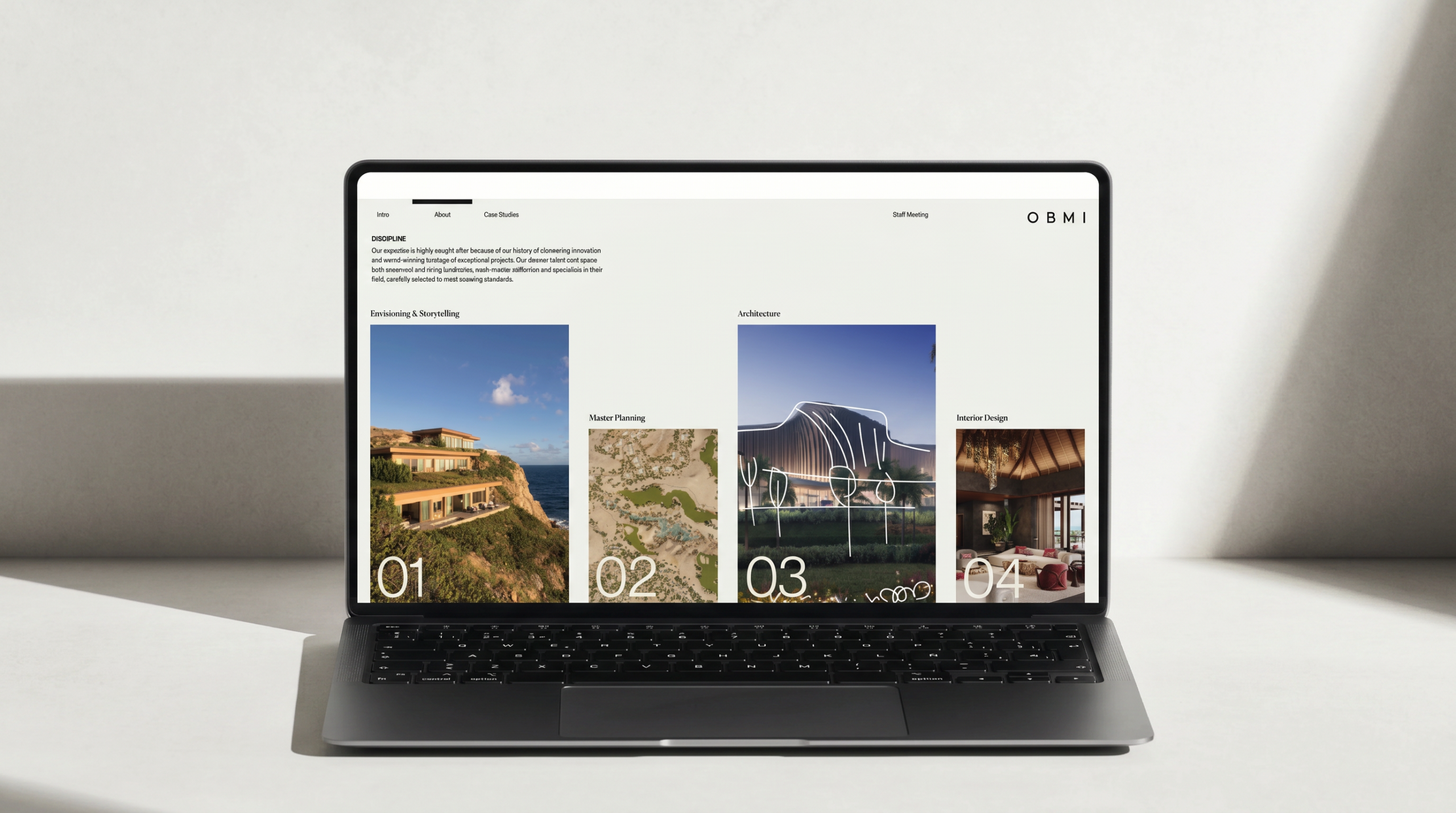
OBMI doesn’t practice one discipline — it practices four. Architecture, Interior Design, Master Planning, Envisioning & Storytelling. Each discipline has a different client, a different conversation, and a different set of expectations. The lookbooks were built to match. A developer reviewing a master planning proposal and an interior design client touring a finished residence are not the same reader. Now they’re not reading the same document.
One lookbook per discipline.
OBMI doesn’t practice one discipline — it practices four. Architecture, Interior Design, Master Planning, Envisioning & Storytelling. Each discipline has a different client, a different conversation, and a different set of expectations. The lookbooks were built to match. A developer reviewing a master planning proposal and an interior design client touring a finished residence are not the same reader. Now they’re not reading the same document.
Built for the room. Not the inbox.
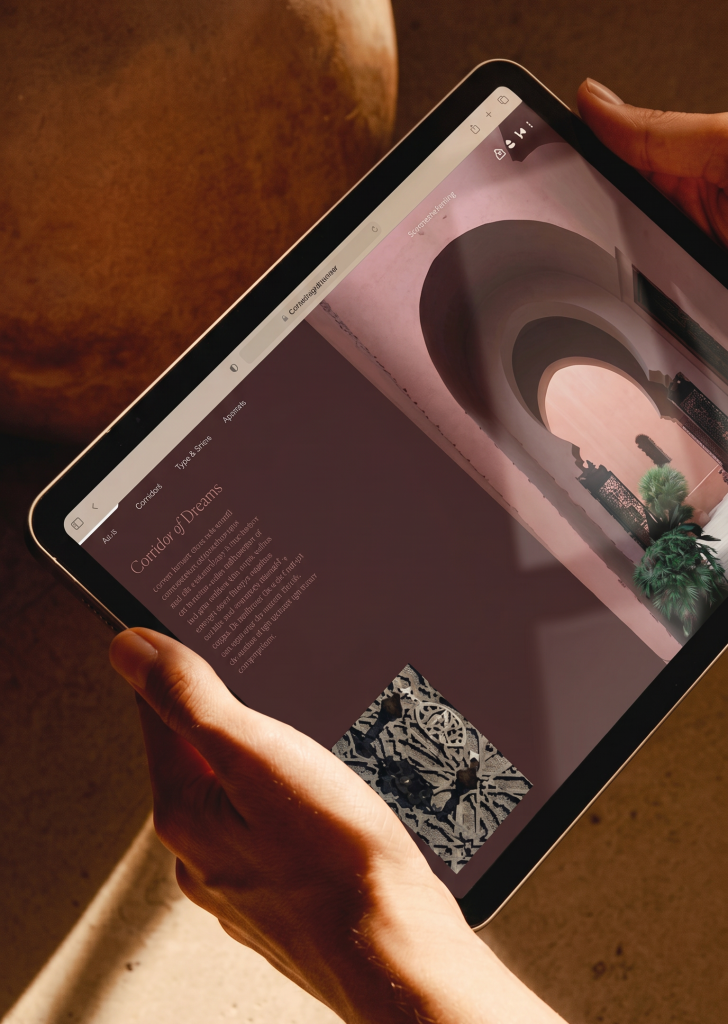
Each case study deck is structured around one goal — give the client everything they need to say yes before the meeting is over. Context, strategy, project proof, leadership. The Amalla Four Seasons, Le Royal Mansour, and Ansagna Real de la Quinta decks demonstrate the system applied to OBMI’s highest-profile work. Not portfolios. Arguments.
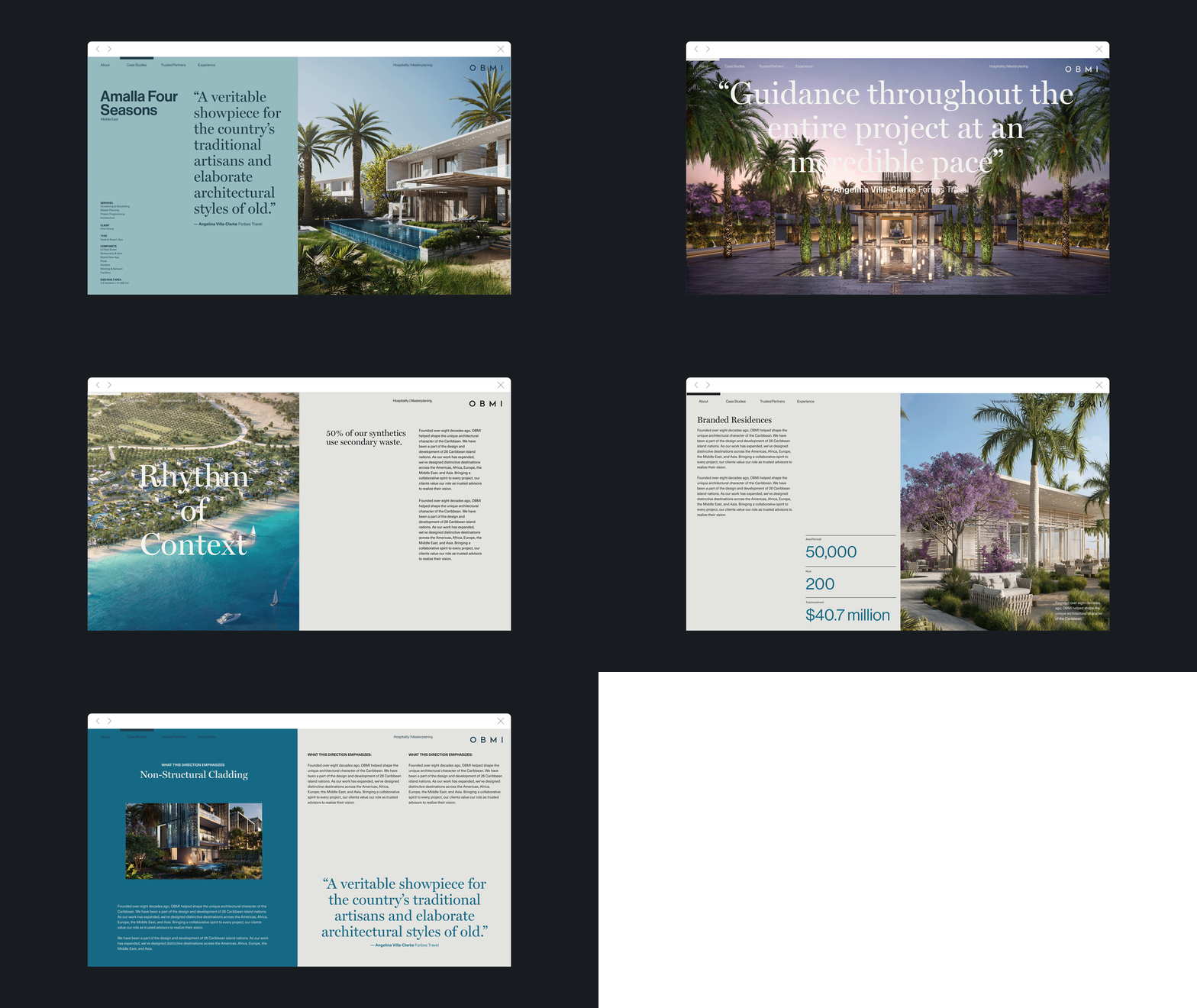
Each case study deck is structured around one goal — give the client everything they need to say yes before the meeting is over. Context, strategy, project proof, leadership. The Amalla Four Seasons, Le Royal Mansour, and Ansagna Real de la Quinta decks demonstrate the system applied to OBMI’s highest-profile work. Not portfolios. Arguments.